


ah88 | Exploring the World of Strategy Games: A Deep Dive into Tactical Entertainment
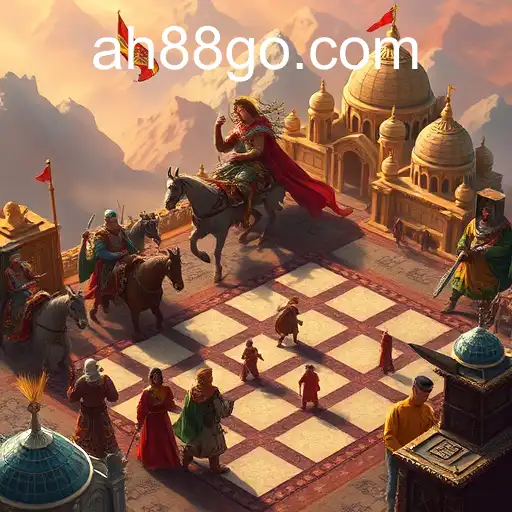
Strategy games represent a captivating segment of the gaming industry, attracting both casual and hardcore gamers who relish the thrill of tactical decision-making and long-term planning. With roots tracing back to early board games and the first forays into digital entertainment, strategy games have evolved significantly, continuing to captivate a diverse audience.
The history of strategy games is rich, drawing from chess and checkers before transitioning into digital platforms. The early 1990s witnessed the birth of iconic franchises like 'Civilization' and 'Command & Conquer,' which laid the groundwork for the genre's transition to a global stage. These games emphasized strategic thinking, resource management, and military planning, offering intense mental challenges alongside immersive experiences.
In recent years, strategy games have branched into multiple sub-genres, including real-time strategy (RTS), turn-based strategy (TBS), and city-building simulations. RTS games, such as 'StarCraft' or 'Age of Empires,' demand quick thinking and swift execution, pitting players against each other in dynamic battles where every second counts. Conversely, TBS games like 'XCOM' or 'Heroes of Might and Magic' offer a more methodical pace, inviting players to ponder their moves with the precision of a chess grandmaster. These diverse play styles ensure that the strategy genre remains accessible and engaging for all types of gamers.
A particular aspect of strategy games that continues to draw players is their replayability and depth. Many strategy titles are known for their intricate mechanics and branching gameplay paths, which invite repeated playthroughs. Games like 'Total War' or 'Crusader Kings' offer sandbox environments where narratives are shaped by player choices, allowing for a unique experience each time. This virtually infinite variability is key to the lasting appeal of the strategy game genre.
In the context of online gaming, strategy games benefit from robust communities that foster cooperative and competitive play. Platforms such as Steam and GOG have facilitated global tournaments and forums where enthusiasts can share strategies and form alliances. This social dimension enhances the overall gaming experience by connecting players who share a passion for strategic gameplay, regardless of geographical boundaries.
Finally, the continuous advancement in technology has played a pivotal role in revitalizing strategy games. Enhanced AI, realistic graphics, and immersive sound design have elevated the appeal and complexity of gaming environments, drawing newer generations into the fold. The integration of virtual reality and augmented reality holds promise for the future, providing even more avenues for interaction and engagement within virtual worlds.
Strategy games undeniably occupy a significant niche in the gaming ecosystem, celebrated for their ability to challenge and engage the mind. As the industry continues to evolve, the innovation and versatility within the strategy genre promise to offer exciting developments, ensuring its place in the heart of digital entertainment.
